Vending Machines for Sale: The Ultimate Guide for Buyers in 2026
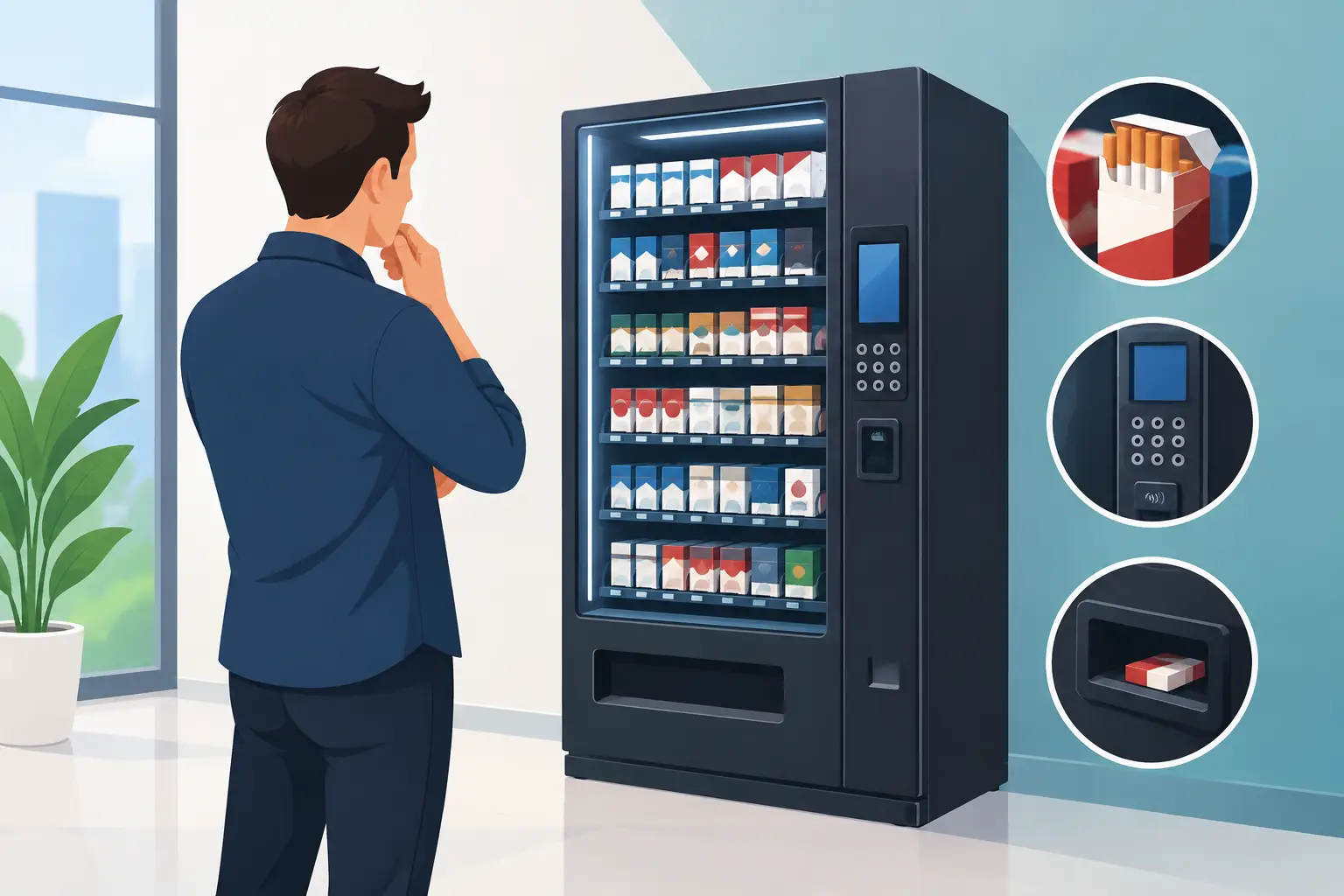
Buying a vending machine might seem like a simple transaction, but the equipment itself is only part of the decision. Vending success depends heavily on where a machine ends up, and profit margins shift depending on the products it carries. Place the wrong machine in the wrong spot and you end up with an expensive box that barely gets touched. Before browsing vending machines for sale, get clear on the location, the people who will use it, and what they are likely to buy, then let that shape your equipment choice.
Vending is largely a numbers game built on frequent, small, frictionless purchases. Getting it right means the dispensing mechanism, payment methods, product capacity, and ease of restocking all have to work together. Choose well, and a machine can produce steady income with minimal daily involvement. Choose poorly, and you are looking at sluggish sales, spoiled or unsold inventory, and a steady stream of service calls. That is why comparing vending machines for sale carefully matters.
Location Comes Before the Purchase
More than any feature or spec, location determines whether a vending machine turns a profit. A unit that does great business in a crowded gym might barely register a sale in a sleepy office lobby, and stocking only snacks in a spot where people expect cold beverages is a quick way to disappoint customers. Before you commit to any of the vending machines for sale you are considering, spend time at the actual site. Look at how many people pass through, when the space is accessible, what competitors are nearby, and what those people would realistically buy.
Talk to whoever manages the space about what is currently lacking. A break room with zero food access is a far better bet than a spot two doors down from a corner store. The objective website is not simply placing a machine somewhere, it is placing the right one where the demand already exists.
Let the Product Category Guide the Machine You Choose
With the location scoped out, the products you intend to sell should dictate the type of machine you buy. Snack machines are compact and low-maintenance, well suited to offices and break rooms. Combo units pair snacks with drinks in one cabinet and tend to perform well in gyms, schools, and apartment buildings where shoppers want options. Beverage-only machines are made for spots with constant foot traffic, hallways, warehouses, anywhere volume matters more than variety. Specialty machines carry items like healthier snacks or frozen goods for niche placements.
Before you buy, measure your intended spot, including the doorways and hallways the machine has to travel through. This equipment is heavy, and a unit that fits the destination can still be a nightmare to move through a tight entryway. Also check that power access is available nearby, a properly placed outlet will make both the install and any future repairs much simpler.
Base Your Inventory on Actual Demand
What you stock should be dictated by the location, never guessed at in advance. One site might move a lot of chips and candy, while a different one sells more water bottles or protein bars. Ask the site contact what gets requested most, pull sales history if the location already carries similar items, and launch with a short list of proven performers rather than trying to fill every column right away. A leaner, faster-turning selection almost always outperforms a machine stuffed with items that barely move.
Weighing New Equipment Against Used
Opting for a used vending machine can bring your startup costs down considerably, useful if you are piloting an unproven location or bolting a specialized unit onto a route you already run. The money saved upfront often goes toward inventory, card-payment hardware, shipping, or covering early repair costs, which can make the whole venture more approachable if you are just getting started.
The catch is condition. Any used unit needs a close look at the cabinet, locks, coin and bill mechanisms, and dispensing parts, plus whether replacement components are still available. Find out if it has been refurbished, get an honest read on its current state, and confirm parts availability before buying. A cheap machine that cannot be repaired later often ends up costing more than paying extra for something newer.
Buying new means a cleaner slate with fewer surprises about wear and tear. It is often the smarter call for a high-traffic spot where a breakdown could sour the relationship with the location.
Which route makes more sense comes down to projected sales, how much capital you have on hand, and your appetite for handling maintenance. An unproven location might justify a cheaper used machine. But if you are swapping out an aging unit at a reliable account, or building out several locations at once, new equipment is often worth the extra investment for the uptime it buys you.
Do Not Overlook Payment Options
Sticking with cash-only keeps things simple on the hardware side, but it can cost you sales in a market where card and mobile payments are increasingly the default. A machine set up for cashless transactions processes purchases faster, cuts down on cash handling, and often generates data that helps you see which products are moving and when to restock.
Do not take "card reader ready" at face value when comparing units. Check that the machine actually works with the payment processor you intend to use, find out if extra hardware is needed, and confirm whether a technician has to handle setup. Factor in ongoing processing fees and connectivity costs before locking in a payment configuration.
Capacity, Security, and Ease of Servicing Shape Your Results
The best vending machines for sale are ones you can easily restock, check on, and repair. More capacity sounds appealing, but it is not always the right call. A machine with many selections suits a high-volume spot, though it demands more inventory and time. In a smaller location, the ideal capacity is just enough to avoid running empty without wasting space on items that rarely sell.
Pay attention to security. Solid locks, sturdy construction, and a protected cash box matter for equipment left unattended. Also look at how products load and dispense, and how easy it is to clear a jam.
Once you are running more than one machine, serviceability becomes a real factor in profitability. A machine down for repairs costs you sales and possibly the trust of the location. Pick equipment you or a nearby technician can realistically maintain, and keep spare parts on hand across multiple sites.
Look at the Full Cost, Not Just the Sticker Price
What you pay for vending machines for sale is just one part of the budget. Add up everything it will take to get the unit placed and running smoothly for the first several months: delivery, setup, payment hardware, your initial product stock, insurance, time spent restocking, upkeep, and any commission you owe the location.
Keep your sales projections realistic. Do not build your numbers around the single busiest hour you happened to observe, or a rosy estimate from the property manager. Factor in actual foot traffic, who the customers are, hours of operation, and whether they have easier options nearby. A genuinely good location combines the right audience with an actual reason to use your machine over something else.
Buyers weighing their options can check our vending machine shop, which carries new, used, and specialty units spanning snack, combo, and beverage formats. That said, the machine should always be chosen to fit the site and the stocking plan you have already worked out, not the reverse. A vending machine only becomes a real asset once it is placed somewhere it can stay stocked, secure, and in regular use.
Questions Worth Answering Before You Buy
Before you finalize anything, make sure you can confidently answer a handful of questions. Will the machine actually fit through every doorway and into the space you have picked? Does the payment setup match how people at this location prefer to pay? Is your sales estimate grounded in real traffic and competition, or just wishful thinking? And who is responsible for restocking and repairs, and how frequently will that be needed?
If you are unsure about any of these, it is better to hold off than to guess. That pause is not wasted time, it is what keeps operators from ending up with equipment that never quite fits the route it was bought for.
The right vending machine can deliver steady income without demanding much daily attention, but choosing it only makes sense once the location and product plan are settled. Research from the National Automatic Merchandising Association consistently points to placement and product selection as the strongest indicators of how profitable a route will be, which is exactly why that groundwork belongs before the purchase, not after it. Shop patiently, compare vending machines for sale against your actual plan, and buy the unit that fits the route you have built rather than the one that simply looks good in a listing.